What If AI Drew the Blueprints? Designing With Generative Architecture

Picture this: instead of an architect sitting at a desk sketching out your dream home, an AI takes your needs, budget, and location—and generates dozens of optimized designs in minutes. It adjusts the layout for natural light, calculates energy efficiency, and even makes aesthetic suggestions based on your personal style.
Sound futuristic? It’s already happening. Welcome to the world of generative architecture—where artificial intelligence meets design, and the blueprint is only the beginning.
The Basics of Generative Architecture

Generative architecture isn’t about replacing architects with robots—it’s about giving them superpowers. AI systems are trained to generate building designs based on specific goals, whether that’s maximizing sunlight, minimizing energy use, or fitting a layout into a tiny urban lot. According to insights from Wochenspiegel, this tech is already being used in pilot projects across Europe, where AI-generated layouts are helping reduce waste and construction time while boosting design precision. The idea is simple: instead of one person imagining a few possible designs, AI can explore hundreds of variations instantly.
Smarter Layouts in Less Time
One of the biggest appeals of generative design is speed. Traditionally, developing architectural plans can take weeks of revisions. With AI, homeowners and developers can see a range of possibilities within hours. The AI doesn’t just make guesses—it uses data, simulations, and real-world performance feedback to suggest layouts that actually work. This includes optimizing window placements for natural light, improving air flow, and creating floor plans that support both comfort and functionality. And if your needs change halfway through the process? The AI can adapt instantly, saving valuable time and money.
More Sustainable Building From the Ground up

Sustainability isn’t just a buzzword—it’s becoming a requirement. And AI is proving to be a valuable partner in green building. Generative architecture can incorporate climate data, materials science, and energy modeling to create homes that are more environmentally responsible by design. This could mean positioning a house to capture winter sun and avoid summer heat, suggesting eco-friendly materials based on location, or even designing the structure to be more easily recycled or modified in the future. The goal? Homes that are beautiful, livable, and gentle on the planet.
Personalization Without the Premium
Custom homes have traditionally been reserved for those with big budgets. But generative design is making personalization more accessible. AI tools can create tailored designs based on individual needs—whether it’s accommodating a growing family, building around a sloped lot, or designing a space for aging in place. And because the system automates so much of the heavy lifting, it reduces the costs typically associated with custom architectural work. Instead of paying for weeks of manual drafting, you’re getting fast, functional designs built around you.
Will AI Replace Architects? (Spoiler: No.)
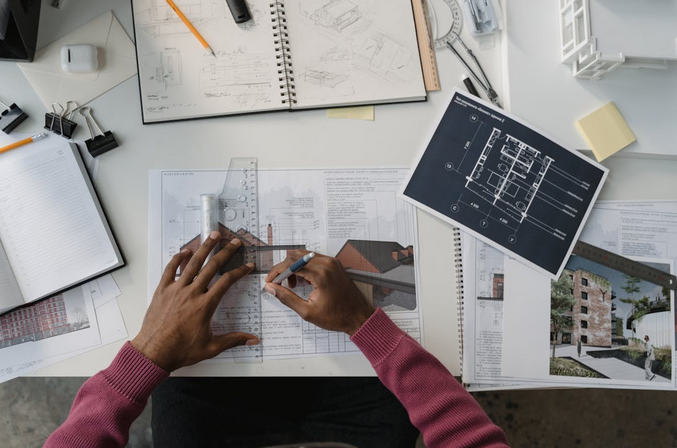
Despite how powerful generative design is, it’s not here to take over the architecture world. Instead, it’s becoming a creative partner. Architects still play a critical role in guiding the process, applying intuition, context, and human touch to the final design.
Think of AI as a tool—one that takes care of the calculations and endless iterations, so designers can focus on creativity and connection. It’s not about automation for the sake of it—it’s about making better homes, faster, and more thoughtfully.