Heating System Noise Levels and Buyer Perception in Property Inspections

Property inspections often focus on visible elements. Buyers check finishes, layout, and structural integrity. Yet subtle factors can influence perception just as strongly. One of these is heating system noise, which may sometimes require professional attention from Sydney electrical services to diagnose underlying issues. Sound may seem minor compared to insulation or energy ratings. However, during inspections, noise becomes noticeable. A loud startup, persistent hum, or rattling duct can shift how buyers feel about a property. Comfort is not only visual. It is sensory. Understanding how heating system noise levels affect buyer perception helps sellers, agents, and developers present homes more effectively.
Why Noise Becomes Noticeable During Inspections
During an inspection, buyers move slowly through rooms. They pause. They listen. Conversations stop while inspectors check mechanical systems. In these quiet moments, background noise stands out. A heating unit that cycles loudly can interrupt the experience. Even if the system functions correctly, the sound may create doubt. Buyers often associate unusual noise with maintenance issues. The inspection environment magnifies these impressions. Without daily distractions, mechanical sounds feel more pronounced. What homeowners may consider normal can seem intrusive to someone unfamiliar with the property. This heightened awareness shapes perception before any formal evaluation of performance begins.
Types of Heating System Noise
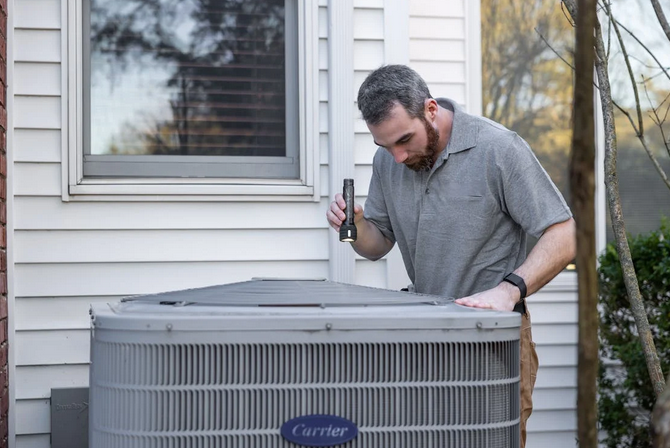
Not all heating noise is the same. Some systems produce brief startup sounds. Others emit continuous airflow noise through ducts or vents. Hydronic systems may generate subtle water movement sounds. Rattling, vibration, or high-pitched tones tend to raise concern. These sounds may suggest loose components or aging equipment. Even when harmless, they affect confidence. Low, steady hums are generally more acceptable. They blend into the background ambiance. The difference lies in consistency and volume. Understanding these variations allows property owners to identify which sounds might influence inspection outcomes.
The Psychological Impact on Buyers
Buyer perception is shaped by emotion as well as logic. A noisy heating system can trigger subconscious concerns. Questions arise quickly. Is the unit old? Will repairs be expensive? Does this reflect poor maintenance? Even if inspection reports confirm functionality, initial impressions linger. Buyers compare properties during decision-making. A quieter home may feel more refined, even if performance is similar. Silence often signals quality. In high-end properties, mechanical noise can conflict with expectations of comfort and sophistication. In smaller homes, noise may feel amplified due to limited space. These psychological factors influence negotiations and perceived value.
Technical Causes and Solutions
Heating noise often results from design or installation factors. Oversized units may cycle frequently, producing repeated startup sounds. Poor duct design can create airflow turbulence. Loose panels or mounts cause vibration. Addressing these issues before listing a property improves presentation. Professional servicing can tighten components and adjust airflow. Insulating ducts may reduce transmitted sound. In some cases, equipment replacement may be appropriate. Modern heating systems are engineered for quieter operation. Variable-speed fans and improved compressors operate more smoothly.
Noise Levels and Property Value
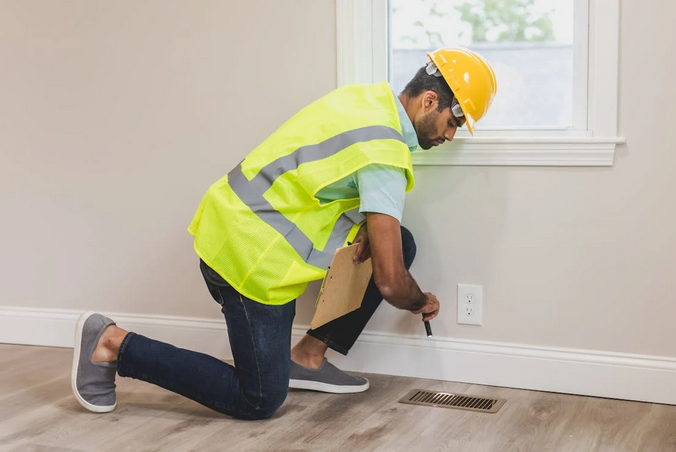
While heating noise rarely determines sale price alone, it contributes to overall perception. Buyers evaluate properties holistically. Mechanical comfort forms part of that assessment. A quiet system reinforces impressions of efficiency and care. It suggests that the home has been maintained thoughtfully. Conversely, persistent noise can reduce confidence, even if minor. Real estate professionals often advise sellers to address visible cosmetic issues. Mechanical sound deserves similar attention. Ensuring quiet operation strengthens presentation during inspections.
How to Prepare for Inspection Day
Preparation matters. Sellers should schedule heating system checks before inspections. Running the system under observation helps identify unusual sounds. Inspectors often test heating equipment during evaluations. If noise occurs unexpectedly, buyers may react negatively. Anticipating this moment allows owners to manage perception. Clear documentation of servicing history also reassures buyers. Transparency supports trust. When sound levels are minimal and maintenance records are available, inspections proceed more smoothly. Comfort is experienced in multiple ways. Temperature stability matters. So does the acoustic environment.
Heating system noise levels influence buyer perception more than many homeowners realize. During property inspections, quiet moments amplify mechanical sounds. Buyers interpret these cues emotionally as well as logically. Understanding the types of noise and their causes allows sellers to act strategically. Maintenance, proper sizing, and modern equipment reduce disruption. A quieter home feels more comfortable and better cared for. In competitive real estate markets, small details shape outcomes. Heating systems that operate smoothly and quietly enhance the overall impression. Addressing acoustic comfort is not merely technical. It is part of presenting a property at its best.