The Flexibility of Prefab Homes: Designing a Space That Fits Your Lifestyle
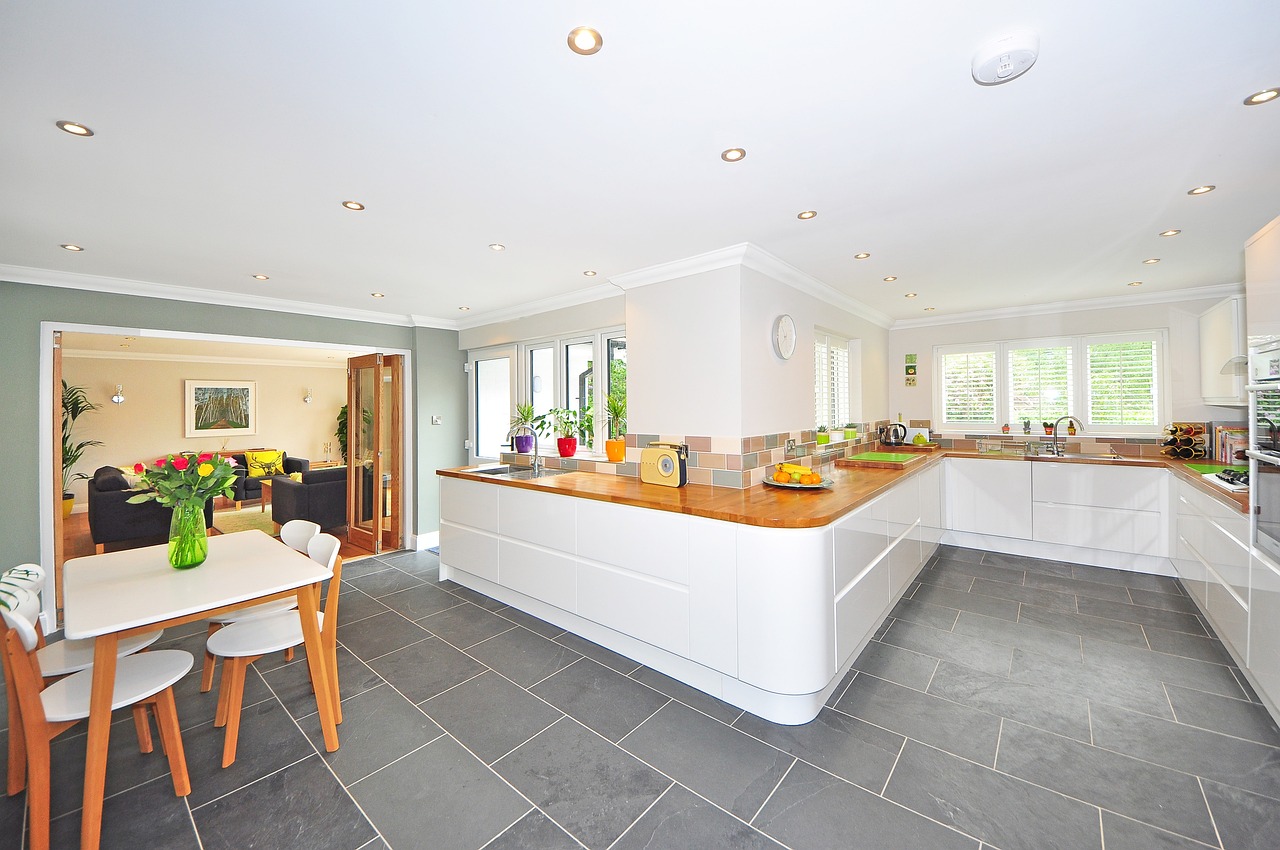
In today’s world, the idea of owning a home is no longer limited to cookie-cutter designs or rigid layouts. Prefabricated homes, or prefab homes, are quickly becoming a popular solution for people who want flexibility, cost-efficiency, and the ability to design a living space that suits their unique lifestyles. These homes are built off-site in a factory setting and then transported to their final location, offering numerous design possibilities that cater to individual needs. In this article, we’ll explore how the flexibility of prefab homes is changing the way we think about home design.
Considering Customizable Floor Plans for Every Need
 According to Bert and May Spaces, one of the most significant advantages of prefab homes is the ability to customize the floor plan. Whether you’re looking for an open-concept space to host gatherings or a series of intimate rooms for a more private, cozy setting, prefab homes offer an impressive range of customizable layouts.
Many prefab manufacturers offer various designs and configurations, allowing homeowners to choose layouts that maximize space efficiency, functionality, and flow. This flexibility means that no matter what your living preferences are, whether you need more bedrooms, a home office, or a larger kitchen, you can design a space that works for you and your family.
Tailoring Aesthetics to Your Personal Style
Prefab homes are not just about functionality. They also offer a variety of aesthetic options to match your personal taste. From modern and minimalist to more traditional or rustic designs, you can choose the style that best suits your personality and complements your surroundings. Whether you’re drawn to sleek, contemporary lines or prefer the charm of a farmhouse aesthetic, prefab homes can be customized to reflect your style. You can select everything from exterior finishes and roofing materials to interior details like flooring, cabinetry, and countertops, allowing you to create a home that feels uniquely yours.
Maximizing Space in Smaller Homes
For those who live in smaller spaces, such as apartments or tiny homes, prefab homes can be a perfect solution. Prefabricated homes offer clever design options that maximize space, ensuring that every square foot is used efficiently. Many prefab manufacturers offer space-saving designs like built-in storage solutions, multifunctional furniture, and open shelving to help homeowners reduce clutter and make the most out of smaller spaces. Whether you want to downsize for financial reasons or simply prefer the simplicity of a smaller home, prefab homes provide the flexibility to design a functional, spacious-feeling environment within a limited footprint.
Considering Sustainable and Eco-Friendly Design Options
As sustainability becomes a top priority for many homeowners, prefab homes offer an eco-friendly approach to homebuilding. These homes can be designed with energy-efficient materials and features that reduce their environmental impact. From insulation and windows to solar panels and energy-efficient appliances, prefab homes are highly adaptable to green living. Whether you want to incorporate rainwater harvesting, composting, or low-impact materials like reclaimed wood, the flexibility of prefab homes allows you to make your home as eco-friendly as possible. Designing a home that minimizes your carbon footprint has never been easier, thanks to the innovative solutions prefab homes offer.
Adding Extensions or Modifications Over Time
 Life changes, and so do your living needs. One of the remarkable advantages of prefab homes is that they can grow with you. Whether you’re expanding your family, starting a home-based business, or simply want more space, prefab homes are designed to be easily adaptable. You can add extensions, additional rooms, or even whole sections of your home without needing to tear down and rebuild.
This modular flexibility allows you to adjust your living space over time to suit changing circumstances, ensuring your home remains a perfect fit for your needs.
In Conclusion
Prefab homes give you the freedom to design a living space that reflects your personal style and needs. With customizable floor plans, eco-friendly options, and the ability to expand over time, …
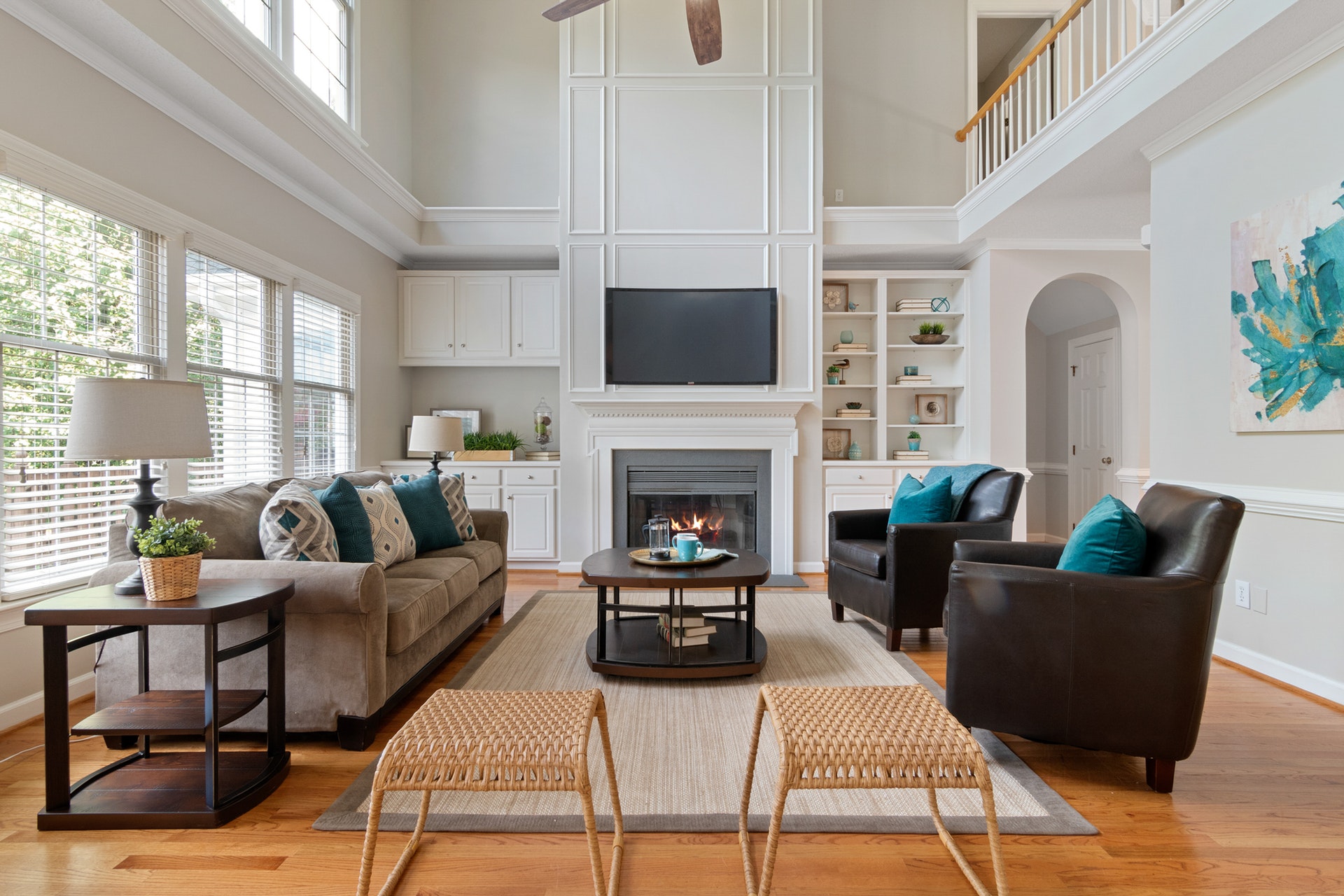
 The proportion of each piece of furniture to the other determines the size of the room. Scale refers to both the proportion of items in the room and the overall size of the room. When choosing furniture, pay attention to the proportions of other furniture and the space in your living room. A large piece of furniture should not be too heavy or bulky.
 Contrast