Why Homes With Fewer Walls Are Not Always More Functional
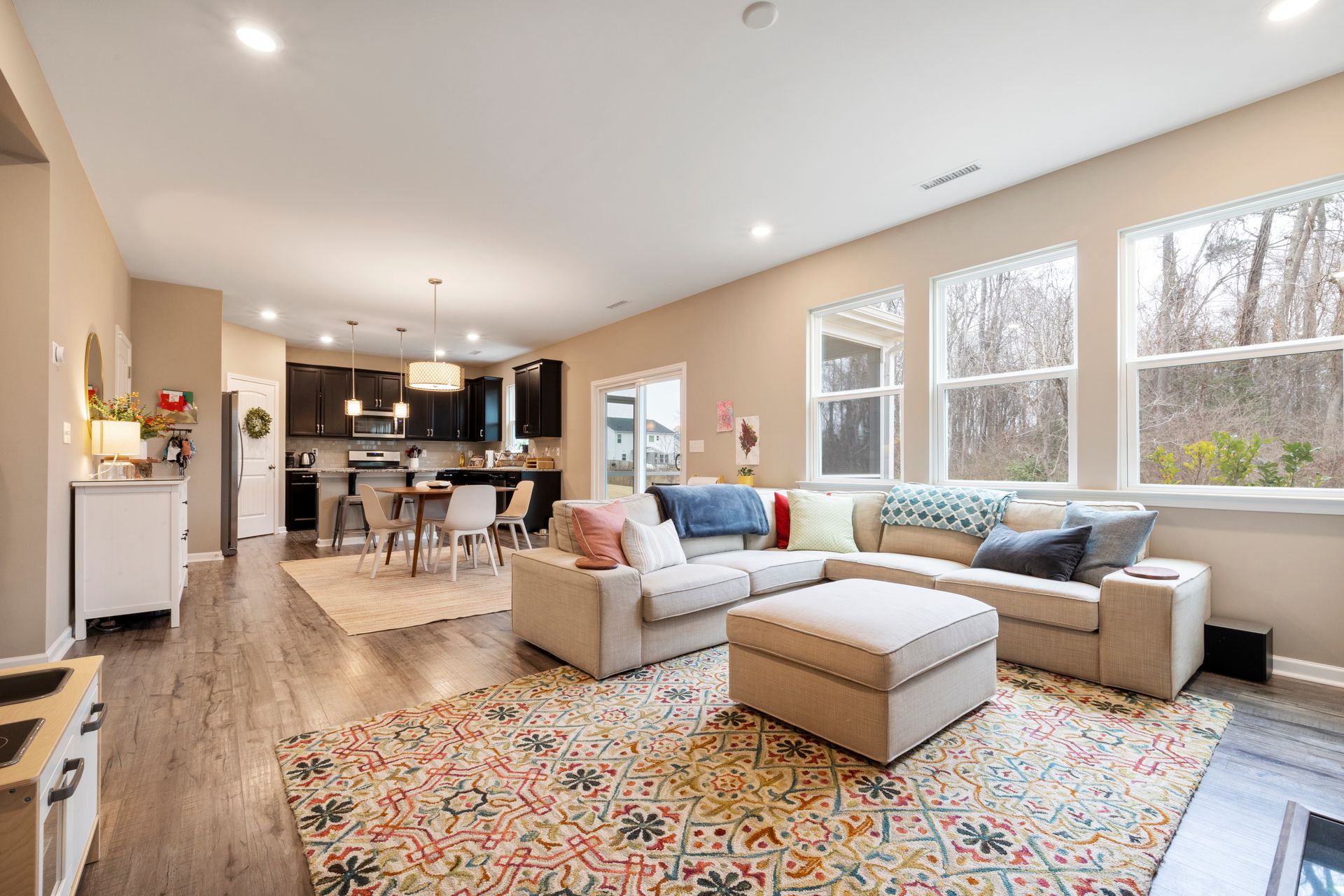
Open-plan homes can create a strong sense of space, but removing walls does not automatically make a home more practical. While fewer barriers may improve visibility and encourage social interaction, they can also affect privacy, noise levels, storage, and how comfortably different activities coexist. Discussions of contemporary residential planning, such as those discussed in hausbauhelden.de, show why functionality depends on more than simply creating larger, connected spaces. A well-designed home needs to balance openness with areas that provide separation when needed. Looking at the role walls play in defining spaces reveals why thoughtful layouts often require a combination of connected rooms and clearly defined zones.
How Walls Define Different Activities
Different areas of a home often serve distinct purposes, and walls can help establish these boundaries. Cooking, working, sleeping, entertaining, and relaxing each create different environmental requirements. When several activities share one large space, sounds, movement, and visual distractions can overlap. A wall can provide separation that allows each area to function more effectively without requiring additional floor space. This means that functionality is not determined simply by how much space is visible, but by how effectively that space supports the activities taking place within it.
Why Sound Control Matters in Open Layouts
Sound travels more easily through open spaces because there are fewer physical surfaces to interrupt its movement. Conversations, appliances, television programs, and household activity can therefore become audible across multiple areas. Walls can reduce the transmission of noise between rooms, making them valuable in homes where different activities occur simultaneously. A separate office, bedroom, or study area can provide acoustic relief that an open arrangement cannot easily reproduce. The ability to control sound can therefore directly influence how comfortable and functional a home feels.
The Importance of Privacy Within a Home
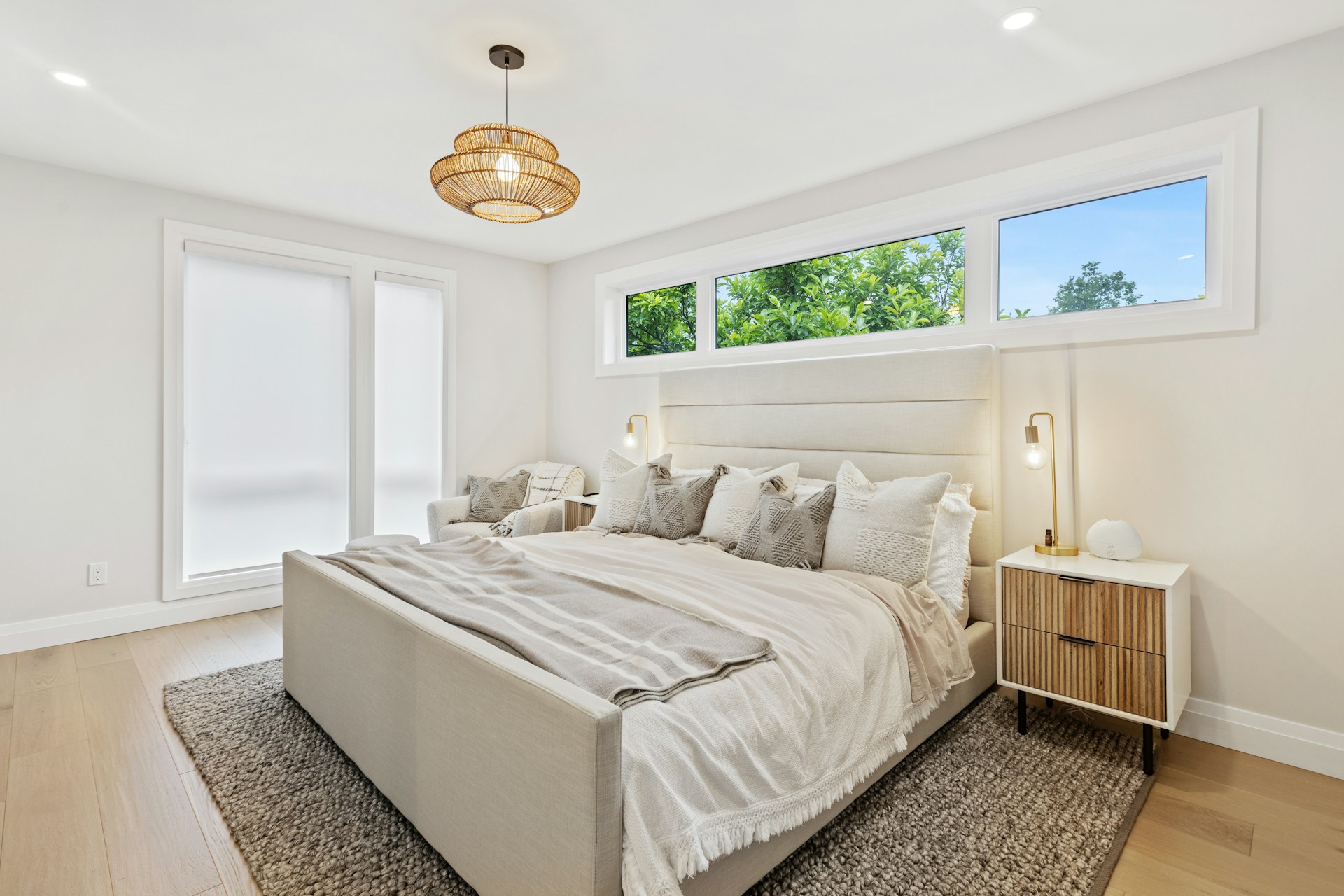
Privacy is another important function provided by walls. Bedrooms, bathrooms, home offices, and other personal areas often benefit from physical separation from communal spaces. In households where several people have different schedules, walls can create areas where individuals can retreat without leaving the main living environment. This becomes particularly relevant when homes accommodate remote work, older children, guests, or multiple generations. A completely open layout may increase visual connection, but it can make privacy more difficult to achieve when household needs become more diverse.
Walls Can Contribute to Efficient Storage
Walls also provide valuable surfaces for cabinets, shelving, appliances, artwork, and other functional features. Removing partitions can eliminate some of these opportunities and leave fewer practical places for storage or built-in elements. In smaller homes, this can be particularly significant because vertical surfaces can help accommodate household belongings without occupying additional floor area. A carefully positioned wall can therefore contribute to spatial efficiency rather than reducing it, demonstrating that usable space depends on more than maintaining the largest possible open area.
Fewer walls can make a home feel larger and more visually connected, but openness does not automatically translate into greater functionality. Walls can provide privacy, manage sound, support storage, and distinguish areas with different purposes. Their value depends on how they interact with the home’s occupants and activities. Effective residential design therefore considers not only how much space is opened up but also how successfully each area supports everyday life. In many cases, carefully placed boundaries can make a home more functional than an entirely open arrangement.…